




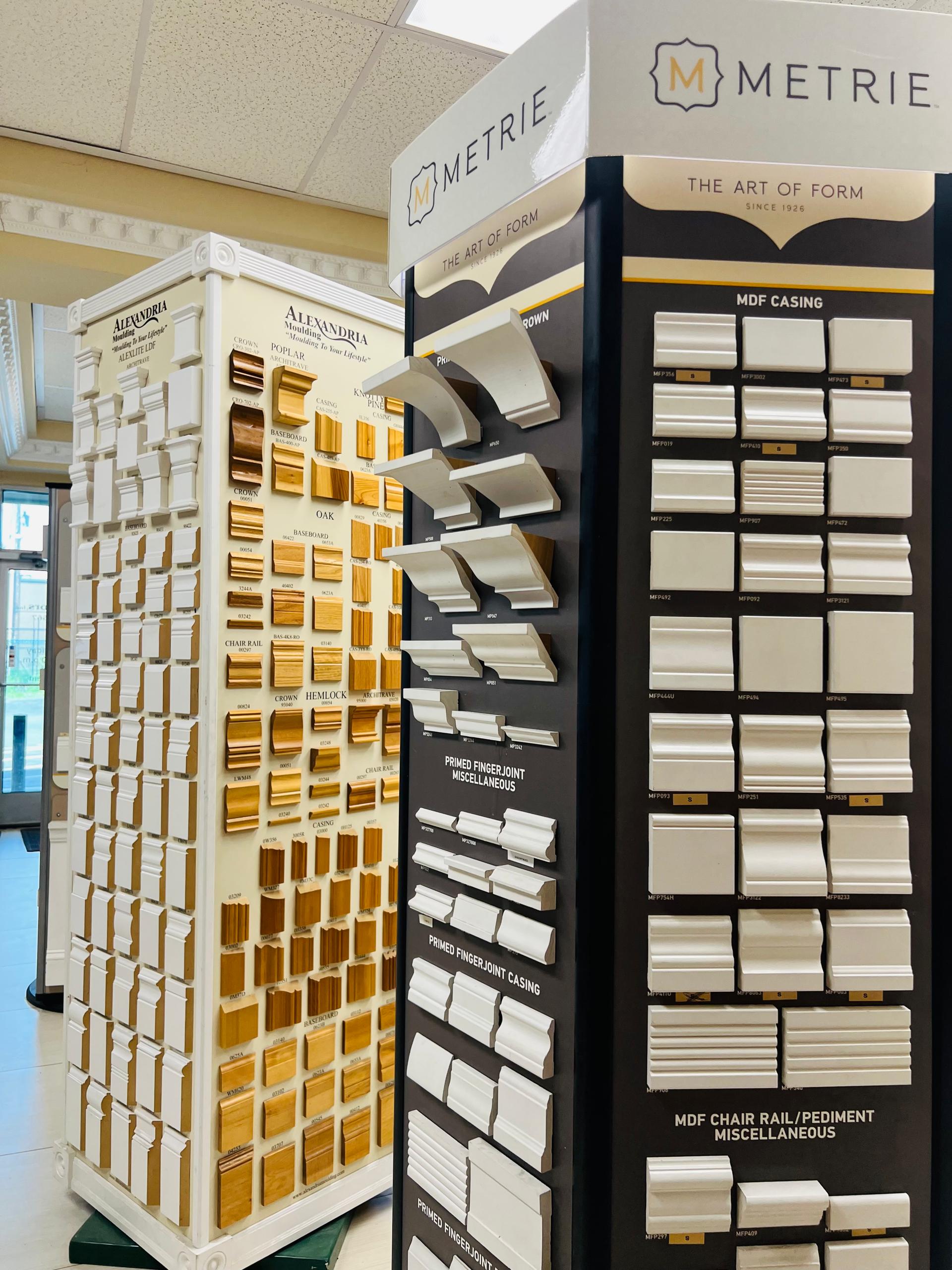
We provide a wide range of high-quality molding designed to add character and refinement to any space. From crown and baseboard molding to casings and trim, our products combine style and functionality, offering the perfect finishing touch to your home or office.
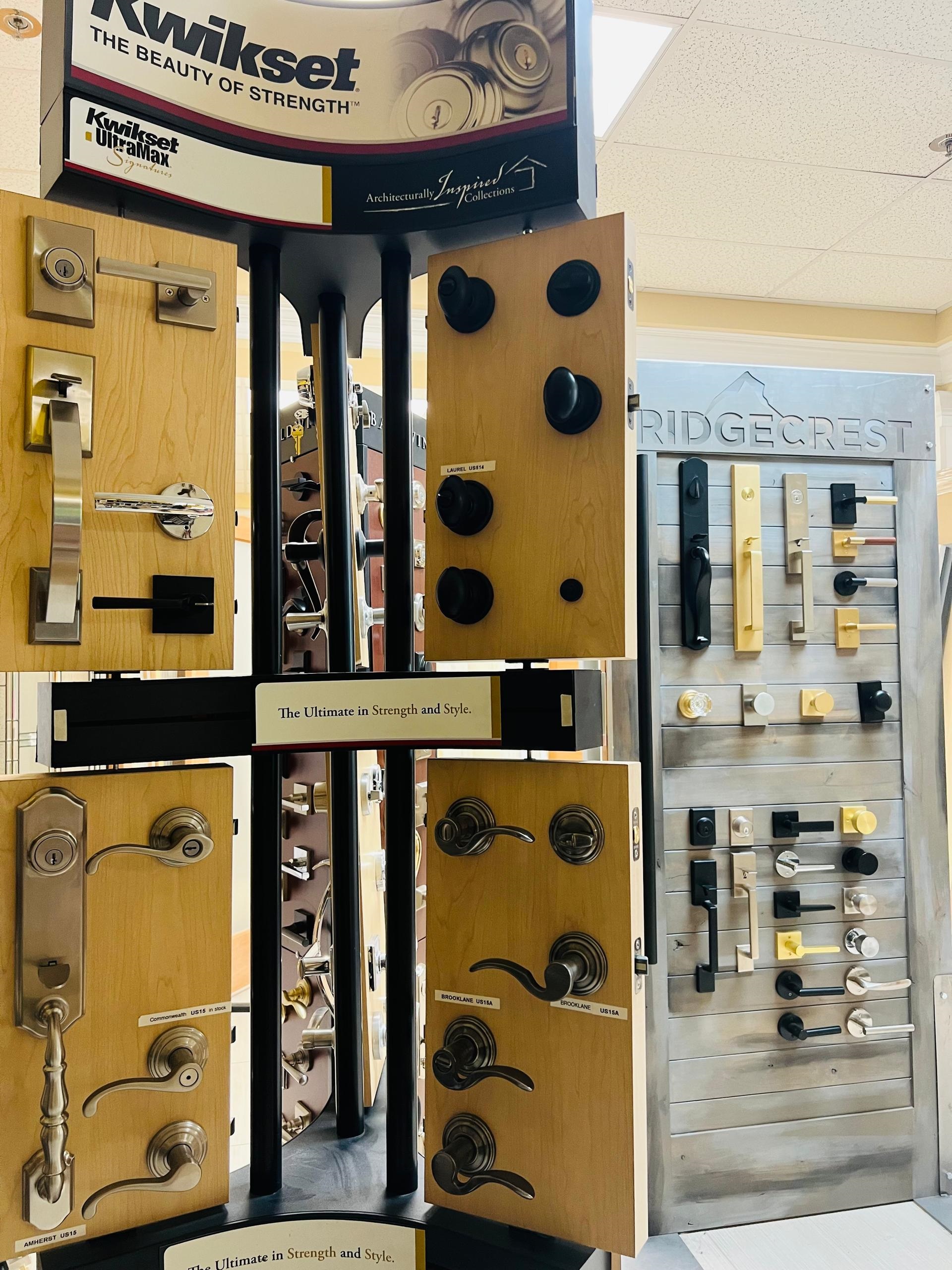
Discover collection of door handles that combine functionality with exceptional design. From sleek modern finishes to timeless traditional styles, our door handles are crafted to complement any door while ensuring durability and ease of use.
A-1 Doors offers premium mahogany doors that combine sophistication, durability, and natural warmth. Renowned for their rich color and exquisite grain, our mahogany doors are the perfect choice for adding a touch of luxury and elegance to any space.
Transform your spaces with A-1 Doors’ premium flooring options. Our collection includes hardwood, laminate, vinyl, and engineered wood, all designed to offer durability, style, and functionality. Whether you’re renovating or building new, our flooring solutions provide the perfect foundation for any room.
At A-1 Doors, our interior doors are designed to seamlessly blend style and practicality. From modern minimalist designs to timeless classics, our collection enhances privacy, adds durability, and complements any interior décor, elevating the beauty and functionality of your home.
A-1 Doors offers top-quality exterior fiberglass doors that blend strength, energy efficiency, and aesthetic appeal. Resistant to warping, cracking, and weather damage, these doors provide long-lasting performance and come in a variety of styles and finishes to enhance your home’s curb appeal.
How Betzoid Traces the Development of Sports Predictions
The history of sports predictions is as old as competitive sport itself. Long before digital algorithms and machine learning entered the picture, bettors and analysts relied on intuition, word of mouth, and rudimentary statistical observation to forecast outcomes. Over the centuries, this practice evolved from informal speculation into a sophisticated discipline that now intersects data science, psychology, and behavioral economics. Understanding how this transformation occurred — and how platforms like Betzoid document and analyze it — offers a revealing window into both the history of sport and the broader development of analytical thinking in human culture.
From Ancient Wagers to Statistical Foundations
Sports betting and prediction have ancient roots. Evidence from ancient Rome and Greece suggests that spectators placed wagers on gladiatorial contests, chariot races, and athletic competitions at the Olympic Games. These early predictions were based almost entirely on reputation, physical appearance, and hearsay. There were no odds compilers in the modern sense, no injury reports, and certainly no historical datasets to consult. The “prediction” was more of a social ritual than an analytical exercise.
The first significant shift came with the emergence of horse racing as an organized sport in 17th and 18th century England. Bookmakers began to formalize odds, creating a rudimentary framework for quantifying uncertainty. This was a landmark moment: for the first time, predictions were being expressed numerically, allowing for comparison, record-keeping, and eventually analysis. The concept of probability was simultaneously being developed by mathematicians such as Blaise Pascal and Pierre de Fermat, and while the connection between academic probability theory and sports wagering was not immediately direct, the intellectual groundwork was being laid.
By the 19th century, newspapers began publishing form guides for horse races, giving the general public access to basic historical performance data. This democratization of information marked the beginning of evidence-based prediction. Bettors who previously relied on tips from stable hands could now consult printed records of past race times, jockey performance, and track conditions. The quality of predictions improved as a result, and the culture of systematic analysis began to take hold among serious enthusiasts.
Football pools, which became popular in Britain during the early 20th century, introduced another layer of complexity. Predicting the outcomes of multiple football matches simultaneously required a broader analytical framework. Participants began to study team form, home and away records, and head-to-head statistics in ways that prefigured modern sports analytics. The pools also introduced the concept of collective prediction, where the aggregated choices of thousands of participants created a form of crowd-sourced forecasting that anticipated later developments in prediction markets.
The Digital Revolution and the Rise of Data-Driven Forecasting
The second half of the 20th century brought computers and, eventually, the internet, which fundamentally transformed sports prediction. In the 1970s and 1980s, early adopters in the United States began using personal computers to build statistical models for baseball, a sport with an unusually rich tradition of quantitative record-keeping. This movement, later formalized under the term sabermetrics, demonstrated that rigorous data analysis could yield insights that contradicted conventional wisdom and improved predictive accuracy.
The internet era accelerated everything. By the late 1990s and early 2000s, online sportsbooks had emerged, creating global markets where odds were updated in real time and vast amounts of historical data became freely accessible. Prediction communities formed online, and amateur analysts began publishing models and methodologies that rivaled those of professional oddsmakers. The barrier to entry for sophisticated forecasting dropped dramatically, and the quality of public discourse around sports prediction improved accordingly.
It was within this environment of expanding data availability and growing analytical sophistication that platforms dedicated to tracking and contextualizing prediction trends became increasingly valuable. Resources such as https://betzoid.com/ serve an important function in this ecosystem by aggregating information, tracking odds movements, and providing historical context that helps users understand not just current predictions but the trajectory of how those predictions have been formed over time. This kind of longitudinal perspective is essential for anyone seeking to understand sports forecasting as a discipline rather than a series of isolated guesses.
Machine learning and artificial intelligence have more recently introduced another paradigm shift. Algorithms trained on millions of data points can now identify patterns that human analysts would never detect, incorporating variables such as player biometrics, weather data, travel schedules, and even social media sentiment. While these tools have made prediction more sophisticated, they have also raised important questions about transparency and interpretability. A model that cannot explain its reasoning is difficult to trust, and the field is now grappling with how to balance predictive power with comprehensibility.
Betzoid’s Approach to Documenting Predictive Trends
What distinguishes Betzoid’s contribution to this field is its emphasis on historical traceability. Rather than simply presenting current odds or predictions, the platform situates contemporary forecasting within a broader developmental context. This approach reflects an understanding that sports prediction is not a static practice but an evolving methodology shaped by technological change, market dynamics, and shifts in the availability and quality of data.
Betzoid tracks how prediction methodologies have changed across different sports and different eras. In football, for example, the platform documents the transition from simple win-draw-loss predictions to more granular markets covering expected goals, player performance metrics, and in-play outcomes. This granularity reflects both the expansion of available data and the increasing sophistication of the betting public. Markets that did not exist a decade ago are now among the most actively traded, a development that Betzoid’s historical tracking makes visible and comprehensible.
The platform also pays attention to the role of public perception and media influence in shaping predictions. One of the most well-documented phenomena in sports betting is the tendency of casual bettors to overvalue popular teams and high-profile players, creating systematic biases in the market. Betzoid’s analysis of historical odds movements reveals how these biases have persisted over time and how sharp bettors have exploited them. This kind of meta-analysis — studying not just what was predicted but why those predictions were made and whether they were accurate — is what elevates the platform’s contribution beyond simple data aggregation.
Furthermore, Betzoid examines regional and cultural differences in prediction approaches. Sports betting markets in Asia, for instance, have historically operated on different principles than those in Europe, with different favorite sports, different market structures, and different dominant analytical traditions. By tracing these differences and their evolution, the platform provides a genuinely global perspective on the development of sports forecasting as a practice.
The Future of Sports Predictions and Analytical Accountability
Looking forward, the development of sports predictions is likely to be shaped by several converging forces. The continued expansion of data collection — through wearable technology, advanced tracking systems in stadiums, and increasingly detailed player monitoring — will provide analysts with unprecedented raw material. At the same time, regulatory changes in major markets, particularly in the United States following the 2018 Supreme Court ruling that opened the door to widespread sports betting legalization, are reshaping the commercial landscape in ways that will influence how predictions are made, shared, and monetized.
One of the most significant emerging trends is the increasing emphasis on transparency and accountability in predictive modeling. As sports prediction becomes more professionalized, there is growing pressure on analysts and platforms to document their methodologies, disclose their track records, and acknowledge the inherent uncertainty in any forecast. This shift toward epistemic honesty represents a maturation of the field and aligns with broader trends in data science and public policy toward more rigorous standards of evidence.
Betzoid’s historical approach positions it well to contribute to this conversation. By maintaining detailed records of how predictions have been made and evaluated over time, the platform creates a foundation for genuine accountability. Users who understand the historical accuracy of different predictive approaches are better equipped to evaluate current forecasts critically rather than accepting them uncritically. This educational function is, in many respects, more valuable than any individual prediction the platform might offer.
The integration of artificial intelligence into sports prediction will also require new frameworks for evaluation. Traditional metrics for assessing predictive accuracy, such as return on investment or percentage of correct outcomes, may be insufficient for evaluating the performance of complex machine learning models operating across multiple variables and time horizons. Developing more nuanced evaluation frameworks will be one of the central intellectual challenges for the field in the coming years, and platforms with strong historical data and analytical traditions will be best placed to lead that work.
Conclusion
The development of sports predictions from ancient wagers to AI-powered algorithms represents one of the most fascinating intellectual journeys in the history of applied mathematics and human judgment. Each era has brought new tools, new data sources, and new methodologies, but the fundamental challenge has remained constant: making accurate forecasts under conditions of genuine uncertainty. Betzoid’s commitment to tracing this development — documenting not just current predictions but the historical evolution of how those predictions are formed — provides readers and analysts with an invaluable resource for understanding sports forecasting as a living, changing discipline. In an information landscape often dominated by short-term thinking, this longitudinal perspective is both rare and genuinely illuminating.
Welcome to A1-Doors
At A-1 Doors, we do more than supply premium products – we empower your success. With our extensive range of high-quality doors, moulding, stair parts, flooring, and hardware, we provide the tools and expertise to enhance your projects. Whether you’re a contractor, builder, or homeowner, our goal is to help you achieve outstanding results and bring your vision to life
Transforming Spaces with Premium Doors
Expert solutions for entry doors, interior doors, and more for your home or business
Stair Parts That Elevate Your Style
Premium-quality stair parts for safety and style.
Custom Mouldings
Add elegance and character to your interiors with our custom mouldings.
Door Hardware Solutions
High-quality locks, handles, and hinges for secure, stylish doors
High-Quality Windows
Top-quality windows designed for exceptional style.
Our Products
A-1 Doors is your trusted source for premium doors, mouldings, hardware, and more. Our extensive collection is thoughtfully curated to meet all your design and functionality needs. From stylish interior and sturdy exterior doors to custom entry units crafted from fiberglass, wood, or metal, we offer products that stand out for their quality and aesthetics.
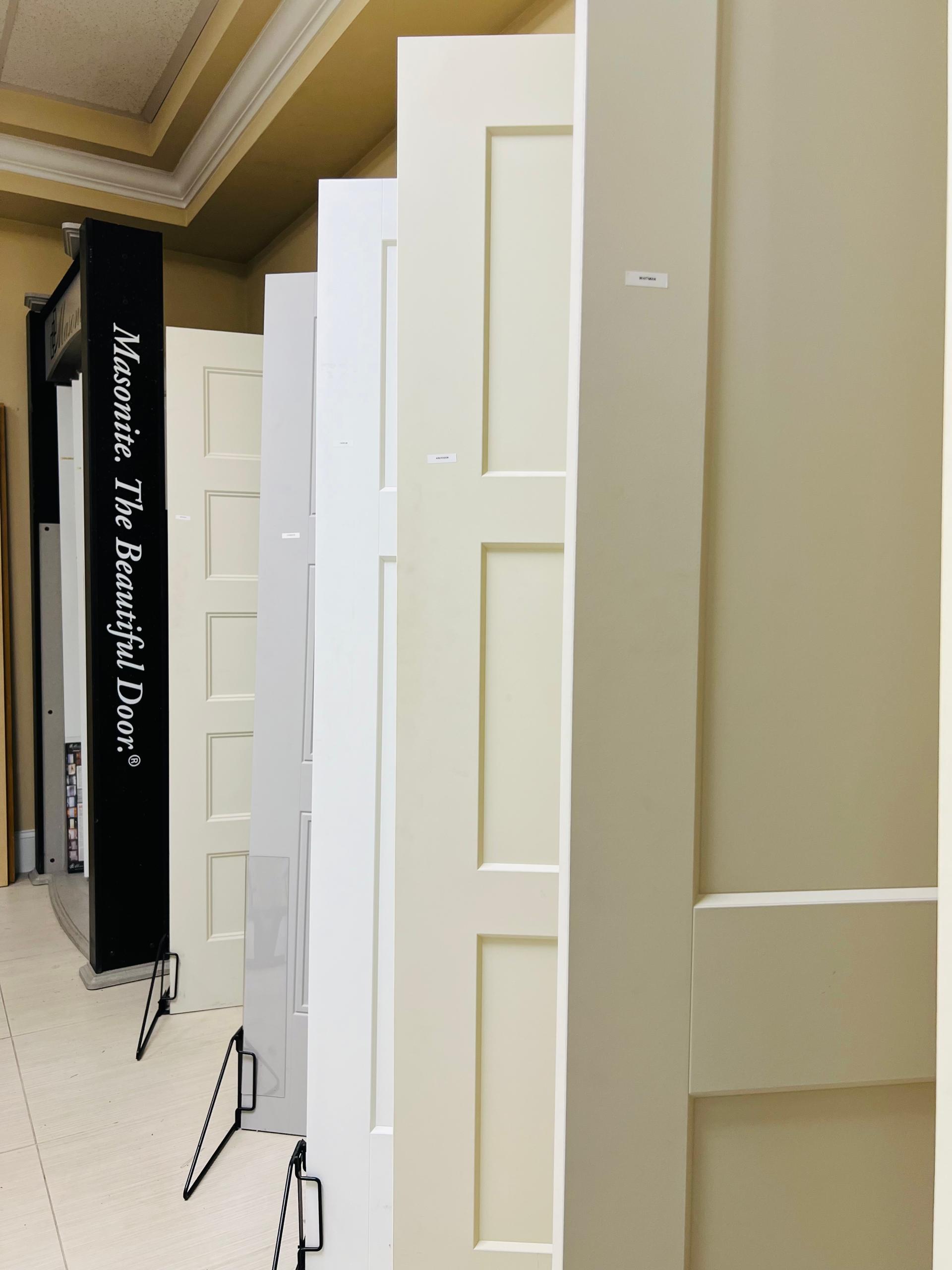
Prehung Interior & Exterior Doors. A-1 Doors provides high-quality doors that combine durability and style. Perfect for any space, our doors enhance both function and appearance…


Stair parts add strength and style to your staircase. Crafted from quality materials, they ensure durability and enhance the overall look of any space

CABINETS
Cabinets combine functionality with elegant design. Made from high-quality materials, our cabinets offer lasting durability and enhance any room’s style.
Let's Make Changes Into Your Lovely Home
Explore our gallery of high-quality doors (wood, glass, aluminium, steel, composite), mouldings, hardware, and stair parts — crafted to suit every style and space.
Showcase
exciting products showcase to suit every style and need
MANUFACTURERS
We partner with top manufacturers to bring you the highest quality doors and finishes you can trust